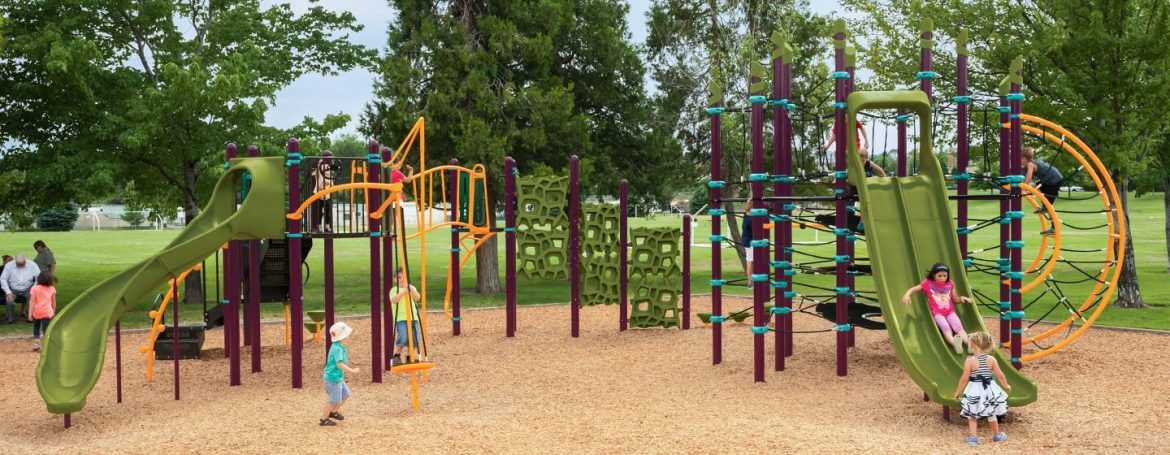
Children’s laughter can reveal the soul of a neighborhood, but not every playground invites every child to be part of the fun. The evolution of play spaces has become a barometer for how communities value equity, safety, and long-term investment. Experts increasingly advocate for playgrounds that are both inclusive and built to endure the test of time, and the reasons go far beyond surface-level ideals.
The Importance of Inclusivity in Playground Design
Playgrounds were once designed with a narrow vision, standard slides, basic swings, and little concern for whether every child could participate. That thinking has shifted dramatically.
Defining Inclusive Playgrounds
An inclusive playground is intentionally structured so children of all abilities can play together. This means wheelchair-accessible ramps, sensory elements for children on the autism spectrum, and equipment that allows both high and low physical engagement. Rather than an afterthought, accessibility is foundational in these designs.
Benefits of Inclusive Play for Children of All Abilities
When a child with limited mobility joins friends on the playground, it fosters empathy and breaks down social barriers. Not only does inclusive play improve physical health for more children, but it also boosts cognitive and emotional development across the board. Play becomes a shared language, not a privilege for a few.
Legal and Ethical Standards Driving Inclusion
Laws like the Accessibility for Ontarians with Disabilities Act (AODA) make inclusivity a legal requirement, but the ethical case is just as powerful. Communities increasingly recognize that a playground should reflect the diversity of its users and comply with evolving regulations.
Durability: Why It Matters for Playground Structures
While inclusivity unlocks play for all, durability ensures that the experience is safe, sustainable, and cost-effective for years.
Materials That Withstand Wear and Weather
From blazing summers to icy winters, playground equipment faces constant assault from the elements. High-quality stainless steel slides, treated lumber, and robust composites are now standard for durable installations, standing up to both weather and heavy use.
Safety Implications of Durable Equipment
Cracked plastics and rusted bolts are more than unsightly, they’re dangerous. Durable materials protect children from injuries, providing peace of mind for parents and operators alike. Safety surfacing, such as turf with shock absorbency, further reduces the risk of falls.
Long-Term Cost Efficiency of Durable Designs
Initial investment in premium materials translates to fewer replacements and lower maintenance costs over time. Communities reap the financial rewards, while children enjoy a playground that feels new year after year.
Comparing Traditional vs. Inclusive and Durable Playground Structures
It’s tempting to choose the cheapest or flashiest play set, but the real value emerges over years of use. A side-by-side look highlights the differences:
| Feature | Traditional Playground | Inclusive & Durable Playground |
|—————————|———————–|——————————-|
| Accessibility | Limited | High (ramps, sensory tools) |
| Material Longevity | Moderate | Superior (steel/composites) |
| Safety Features | Basic | Comprehensive |
| Maintenance | Frequent | Minimal |
| Social Inclusion | Low | High |
Aesthetics matter, but when accessibility and durability become priorities, play spaces transform into true community assets.
Case Studies of Successful Inclusive and Durable Playgrounds
Across Ontario, forward-thinking parks and schools demonstrate what’s possible. Urban schoolyards like Bowmore Road PS in Toronto showcase accessible equipment that’s both engaging and safe. Newmarket’s George Richardson Park has integrated sensory musical play, giving children of varying abilities a reason to gather. Condominium complexes such as Mosaik Homes in Vaughan are also adopting these best practices, ensuring that private and public spaces alike are built for everyone.
Challenges in Creating Inclusive and Durable Playgrounds
Budgets are not bottomless, and every design must balance ambition with practicality. Some challenge lies in meeting the needs of diverse users without adding unnecessary complexity that could hinder usability. Maintenance remains critical, durable doesn’t mean indestructible, and regular inspections are non-negotiable.
Innovations Enhancing Inclusivity and Durability
Materials science has propelled playground design forward. Innovations like UV-resistant plastics and anti-corrosive steel help extend equipment life. Technology, such as interactive play panels and adaptive swings, creates opportunities for children who need extra support. Even playground surfaces are evolving, with shock-absorbing turf and rubberized paths now standard for accessibility.
Expert Recommendations for Selecting Playground Structures
Professionals advise prioritizing user safety and overall experience above fleeting trends. Collaboration with designers, stakeholders, and, crucially, children themselves is essential. Planning for future adaptability allows for easy expansion as needs and regulations evolve. Resources like Inspire Play playground equipment offer useful examples of how these principles come together in real-world installations.
The Future of Playground Design: Trends Toward Inclusivity and Sustainability
Looking forward, legislative standards are likely to become even more stringent, further closing the gap between intent and implementation. Community engagement will remain vital, with ongoing feedback ensuring playgrounds reflect changing demographics and needs. Sustainability, both environmental and social, is poised to be the next frontier, where durability and inclusivity merge to create spaces that last and truly welcome all.
Building play spaces for every child is no longer a dream; it’s an expectation. By insisting on inclusivity and durability, communities plant the seeds of connection, resilience, and joy for generations to come.