Every parent dreams of giving their child the tools to thrive, both academically and emotionally. Nurturing a child’s potential goes beyond formal education; it involves creating an environment that supports curiosity, creativity, and confidence. From innovative learning programs to holistic therapies, there are numerous ways to help children develop essential skills that will benefit them for life. By understanding the diverse solutions available, parents can make informed choices that align with their child’s unique needs and personality.
Play-Based Therapy for Children: A Path to Emotional and Cognitive Growth
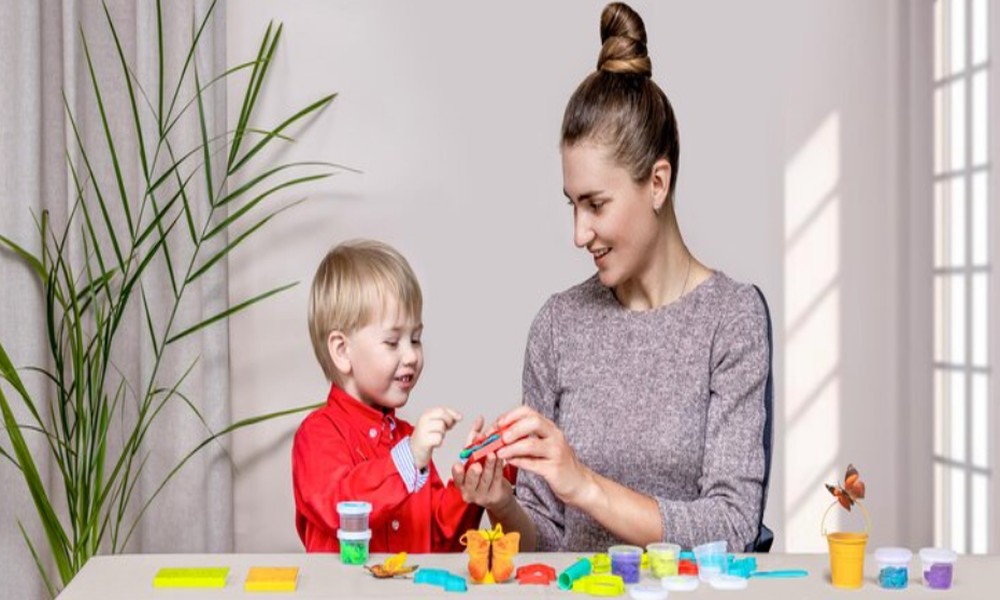
Play-based therapy for children is a dynamic approach that encourages learning through structured play. This method allows children to express themselves, explore emotions, and develop problem-solving skills in a safe and supportive environment. By integrating fun and therapeutic activities, play-based therapy for children helps enhance social skills, emotional resilience, and cognitive development. Children engage with imaginative scenarios that promote communication, cooperation, and self-awareness, making learning both enjoyable and impactful. This approach is particularly beneficial for children who may struggle with conventional learning methods, providing them a creative outlet to express feelings and strengthen mental and emotional health.
Children Montessori Program: Encouraging Independence and Curiosity
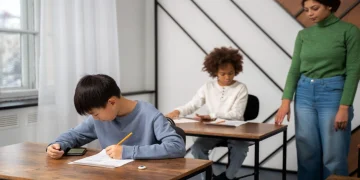
The children montessori program is designed to cultivate independence, self-discipline, and a love of learning. Rooted in the Montessori philosophy, this program emphasizes hands-on activities, individualized learning, and an environment tailored to a child’s developmental stage. Children are encouraged to explore at their own pace, fostering critical thinking, concentration, and practical life skills. The children montessori program supports holistic growth, balancing intellectual pursuits with social and emotional development. By allowing children to take an active role in their learning journey, Montessori programs help instill confidence, responsibility, and a lifelong passion for exploration.
Creative Arts and Music Programs: Developing Expression and Focus
Engaging children in creative arts and music can significantly enhance their cognitive and emotional development. Art activities encourage imagination, fine motor skills, and problem-solving abilities, while music promotes memory, coordination, and auditory skills. These programs offer children the opportunity to express themselves in unique ways, boosting self-esteem and emotional intelligence. Regular exposure to art and music can also enhance attention span and foster patience, helping children apply these skills to academic and social contexts. Integrating arts into daily learning routines creates a well-rounded developmental experience that nurtures creativity alongside traditional education.
STEM-Based Learning: Building Analytical and Critical Thinking Skills
STEM-based learning programs introduce children to science, technology, engineering, and mathematics in engaging, interactive ways. By encouraging experimentation, inquiry, and hands-on problem-solving, STEM activities develop analytical thinking and logical reasoning. Early exposure to STEM concepts prepares children for future academic challenges while enhancing creativity and innovation. These programs often include projects that blend technology with real-world problem solving, allowing children to explore scientific principles practically. STEM-based learning complements other educational approaches, offering a balanced combination of creativity, curiosity, and critical thinking.
Mindfulness and Emotional Learning: Supporting Mental Well-Being
In today’s fast-paced world, cultivating mindfulness and emotional intelligence in children is increasingly important. Mindfulness practices, such as breathing exercises, guided meditation, and reflective activities, help children manage stress and enhance focus. Emotional learning programs teach children to recognize and express feelings, navigate relationships, and develop empathy. By incorporating mindfulness and emotional skills into daily routines, parents can support their child’s mental well-being, resilience, and social competence. These skills create a foundation for healthy relationships and improved academic performance, equipping children to face challenges with confidence and composure.
Outdoor and Experiential Learning: Encouraging Exploration and Physical Development
Outdoor and experiential learning programs offer children opportunities to explore nature, develop physical skills, and engage in real-world experiences. Activities such as gardening, nature walks, and team-based challenges help children connect with their environment and foster curiosity. Experiential learning encourages problem-solving, collaboration, and adaptability, skills essential for lifelong learning. The combination of physical activity and hands-on exploration strengthens both body and mind, promoting holistic growth. By integrating outdoor experiences with structured learning, children gain a balanced understanding of the world around them and develop practical life skills.
Conclusion
Unlocking a child’s potential requires a thoughtful mix of approaches that address emotional, cognitive, and social development. Programs like play-based therapy for children and children montessori program provide structured yet flexible learning environments that encourage growth and exploration. Complementary solutions such as creative arts, STEM education, mindfulness, and outdoor learning enrich these experiences, helping children develop a well-rounded skill set. By embracing diverse solutions tailored to their child’s unique needs, parents can empower children to grow into confident, curious, and capable individuals ready to embrace life’s challenges and opportunities.