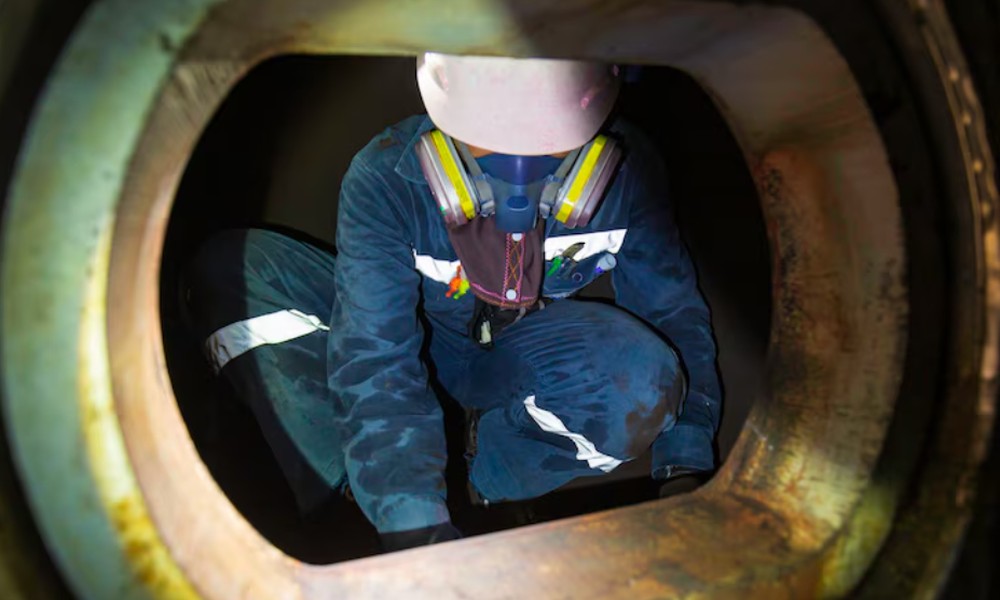
Working in confined spaces is one of the most dangerous tasks in many industries such as construction, manufacturing, utilities, and oil and gas. These areas are often narrow, poorly ventilated, and difficult to enter or exit quickly. Because of these risks, accidents in confined spaces can become life-threatening within seconds. This is where confined space rescue training plays a very important role. It prepares workers to respond quickly, safely, and effectively during emergencies, reducing the chances of serious injury or loss of life.
Understanding Confined Spaces and Risks
Confined spaces are areas that are not designed for continuous human occupancy but are large enough for workers to enter for specific tasks. Examples include tanks, sewers, tunnels, storage bins, and underground chambers. These spaces may contain hazardous gases, low oxygen levels, or the risk of being trapped.
Without proper preparation, workers may face sudden dangers such as collapse, toxic exposure, or suffocation. Confined space rescue training helps workers understand these risks clearly so they can take precautions before entering and recognize warning signs during work. This awareness is the first step in preventing emergencies from escalating.
Importance of Confined Space Rescue Training
The main purpose of confined space rescue training is to ensure that workers and rescue teams know how to respond when something goes wrong. In emergency situations, every second matters, and waiting for external help can sometimes be too late.
Through this training, workers learn how to act immediately and safely without putting themselves or others at additional risk. It also teaches the importance of having a rescue plan ready before any work begins. This preparation helps reduce panic and confusion during real-life emergencies, making responses more organized and effective.
How Training Builds Emergency Response Skills
Confined space rescue training focuses heavily on practical skills that are needed in real emergencies. Workers are trained on how to use safety equipment such as harnesses, breathing devices, gas detectors, and retrieval systems. They also learn how to assess the situation quickly and decide the safest way to rescue a colleague.
Another key part of the training is practicing rescue drills. These simulations help workers experience real-life scenarios in a controlled environment. This builds confidence and improves decision-making under pressure. As a result, trained workers are better prepared to handle unexpected situations without hesitation.
Safety Awareness and Team Coordination
Emergency response in confined spaces is never a one-person job. It requires strong teamwork and clear communication. Confined space rescue training teaches workers how to coordinate with their team members effectively. Everyone learns their role, whether they are inside the space, outside monitoring, or part of the rescue team.
This training also improves communication skills during emergencies. Workers learn how to give clear instructions, report hazards, and respond to signals quickly. Strong coordination ensures that rescue operations are carried out smoothly and safely, reducing the risk of further accidents.
Conclusion
Confined space work will always involve certain risks, but proper preparation can greatly reduce them. Confined space rescue training plays a vital role in ensuring that workers are ready to handle emergencies with confidence and skill. It builds awareness, improves response abilities, and strengthens teamwork in critical situations. By investing in this training, industries can create a safer work environment and protect lives when it matters most.